

How can cleaning products affect your health? A family doctor explains

We use cleaning products almost every day, but we often think more about how well they work than about what is in them and how that can affect our health.
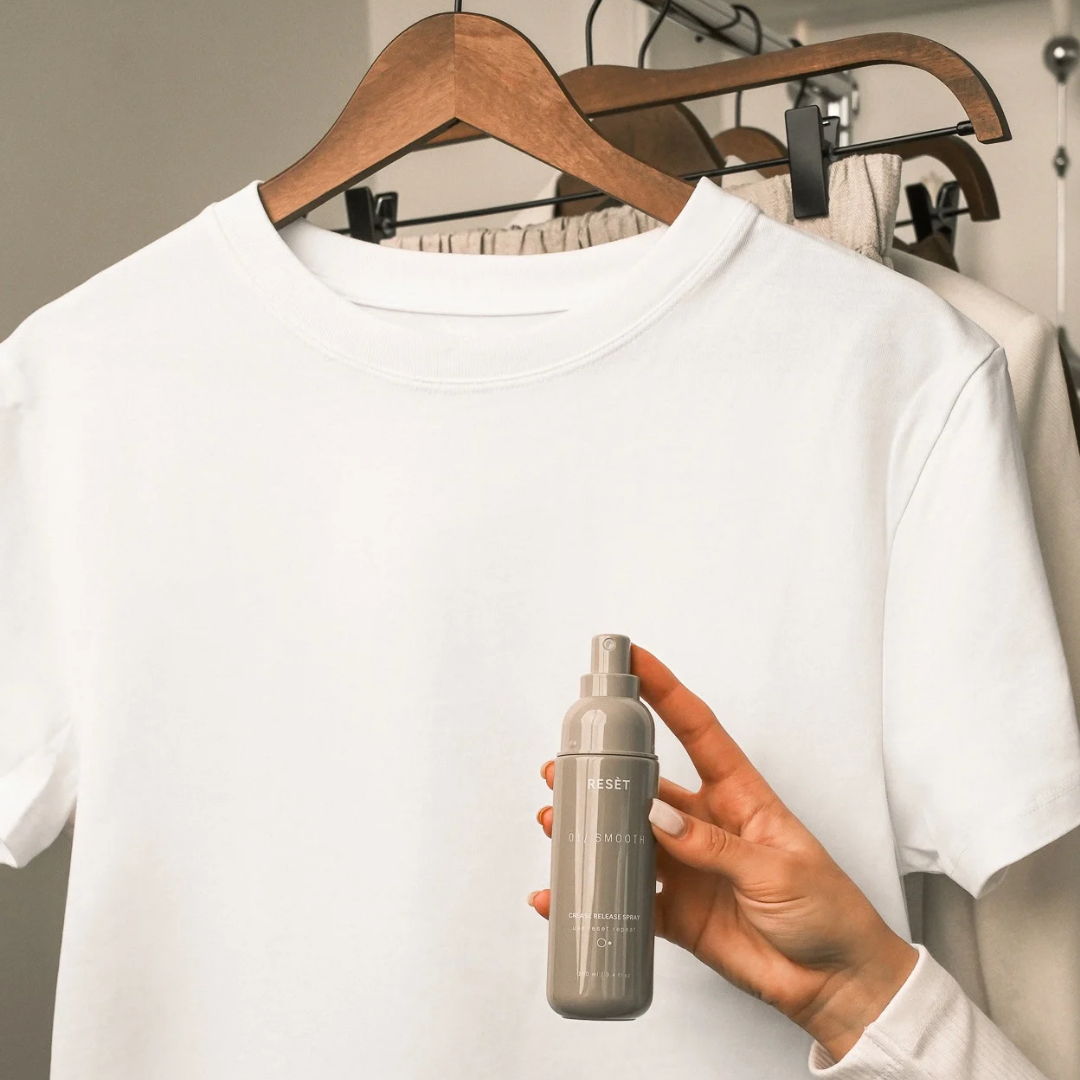
At RESÈT we make home and fabric care products for everyday use, so the formula is one of the most important parts of creating a product for us. We care not only about the result, but also about what people use in their homes, on their clothes and on the other surfaces they touch all the time.
That is why we wanted to look at this topic from more than the maker's side, and invited Inga Evaltaitė-Budvytienė, a family doctor at the Meliva virtual clinic to explain how everyday cleaning and household chemical products can affect the airways and skin, and what to look out for when choosing them.
Below is the doctor's full comment.
Can cleaning products be safe and harmless? The harm we don't notice.
Chemical cleaners are an inseparable part of everyday life, but using them can have unwanted effects. People with asthma, allergic conditions, atopic dermatitis or sensitive airways should be especially careful when choosing cleaning products.
Research shows that frequent and long-term use of cleaning and disinfecting products is linked to a higher risk of respiratory symptoms and asthma, and cleaners used carelessly can cause allergic skin reactions.
Spray cleaners and disinfectants are the biggest concern. When you spray a product, it releases not only volatile chemicals into the air but also fine aerosols that can be inhaled.
The most common irritants are chlorine and hypochlorites, ammonia, strong acids and alkalis, some disinfecting agents, chemical mixtures and fragrances. It is best to avoid them where more sensitive people or children live.

It is important to understand that airway damage is not necessarily an allergic reaction. Chemicals can directly irritate the lining of the airways and cause coughing, a sore throat, nasal irritation, wheezing or shortness of breath.
The effect on the skin matters just as much. Contact dermatitis is a common problem when unsafe products are used. Harmful substances include chlorine and ammonia, as well as contact with some fragrances, preservatives and disinfectants.
Mixing different cleaners is especially dangerous. For example, mixing products containing chlorine with acidic cleaners or ammonia can release dangerous gases and cause acute damage to the airways.
So never mix cleaning products, even if it seems that this would give a "better" cleaning result.
How to reduce the risk?
For everyday household cleaning, choose products with the simplest possible formula and fewer fragrances, and avoid using disinfectants when they are not needed.
Where possible, prefer liquid products or other formats over sprays. Make sure rooms are well ventilated while cleaning, and people with asthma or other respiratory conditions are better off not being in the room during heavy cleaning. If you have sensitive skin, always wear gloves.
Most importantly, don't assume that a harsh smell or a strong feeling of "clean" means better cleaning. The fewer unnecessary chemicals get into the air we breathe, the lower the chance of irritating sensitive airways or skin.
If you keep getting a cough, wheezing, shortness of breath, eye or nose irritation after cleaning, or if eczema or rashes appear or get worse, consider whether they may be linked to the cleaning products you use.
When should you see a doctor?
At the Meliva virtual clinic, family doctor consultations are available every day from 6:00 to 22:00, including weekends and public holidays. It is a simple way to see a family doctor wherever you are.
During the consultation you can send the doctor a photo to assess. After reviewing your symptoms and needs, the doctor can refer you to a specialist, write a prescription or put together a treatment plan.
More about the Meliva virtual clinic:
meliva.lt/virtuali-klinika
Download the Meliva app:
App Store · Google Play